Imagine stepping into a world where the changing seasons no longer dictate when you can enjoy fresh, homegrown vegetables. Thanks to
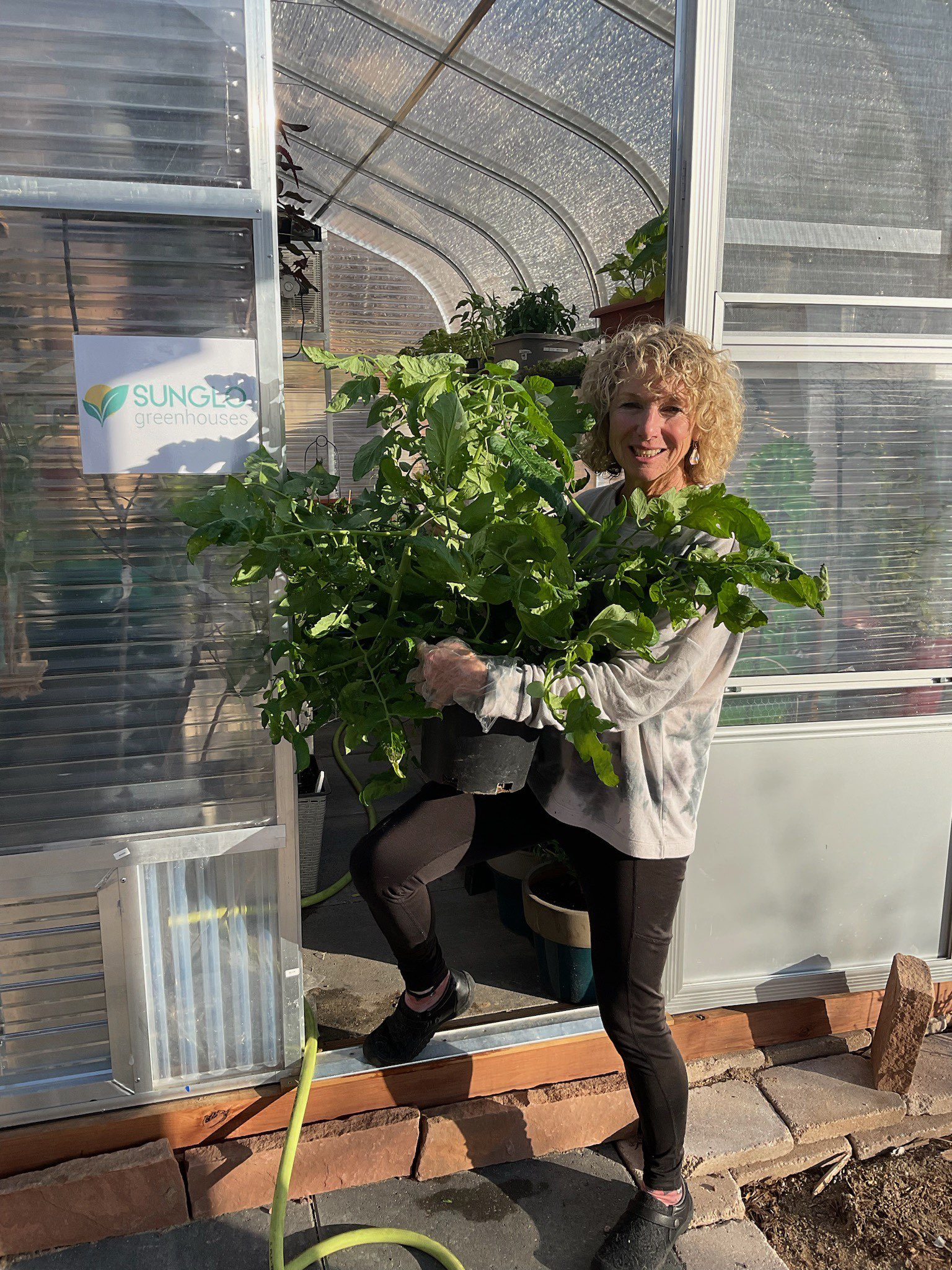
Sunglo Greenhouses, this vision is becoming a reality for greenhouse enthusiasts. Let’s delve into how a Sunglo Greenhouse Kit can help you cultivate a diverse array of vegetables year-round.
A
Sunglo Greenhouse will increase your tomato and other vegetable yields because you can start growing earlier and later into the season. Sunglo Greenhouses are designed for growing food through the entire year, even in the coldest winters.
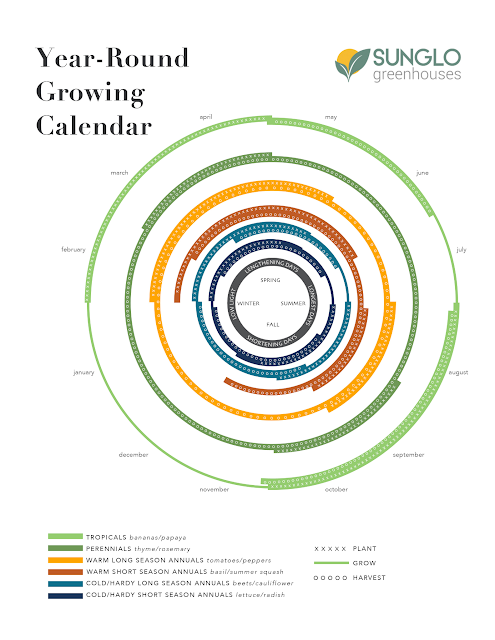
Tailored Growing EnvironmentsA typical planting calendar offers a wealth of knowledge about optimal planting times for various vegetables and herbs. However, these recommendations often hinge on weather conditions that can be unpredictable and harsh, especially during extreme seasons. This is where Sunglo Greenhouses come into play. These meticulously designed greenhouse kits allow you to create and maintain tailored growing environments, ensuring that your plants thrive regardless of the external climate.
Extending the Growing SeasonThe planting calendar outlines when to sow seeds, transplant, and harvest, taking into account temperature, light, and other environmental factors. By harnessing the climate control capabilities of Sunglo Greenhouses, you can extend growing seasons well beyond what traditional outdoor gardening allows. Want to harvest vine-ripened tomatoes in the middle of winter or enjoy crisp lettuce during the heat of summer? With a Sunglo Greenhouse, you’re no longer confined to nature’s limitations.
Protection from Adverse Elements
Mother Nature can be unpredictable, and sudden weather changes, pests, and diseases can wreak havoc on your outdoor crops. Sunglo Greenhouses act as a protective shield, safeguarding your plants from these external threats. This means fewer setbacks due to frost, severe storms, pests, and other factors that can derail outdoor gardening efforts. With the greenhouse’s sturdy construction and advanced features, you can rest assured that your vegetables are growing in a safe and controlled environment.
Energy Efficiency and Sustainability
Sunglo Greenhouses are designed with energy efficiency and sustainability in mind. The use of double-wall acrylic plant friendly panels, proper active ventilation systems, and optional geothermal and infrared heat to reduce energy consumption. By minimizing your environmental footprint, you’re not only growing fresh produce year-round but also doing so in an environmentally responsible manner.
Personalized Greenhouse Solutions
Sunglo backyard greenhouse kits come in various sizes and options, specifically catering to the needs of home gardeners. Whether you have a small backyard or a larger yard, there’s a Sunglo Greenhouse that suits your requirements. This adaptability allows you to tailor your greenhouse to the crops you intend to grow, making it a versatile and personalized solution.
What can I grow in winter?Vegetable crops can be broken down into two main categories, cool season & warm season. These two categories help a gardener better understand when to plant as well as what conditions they prefer to grow in.
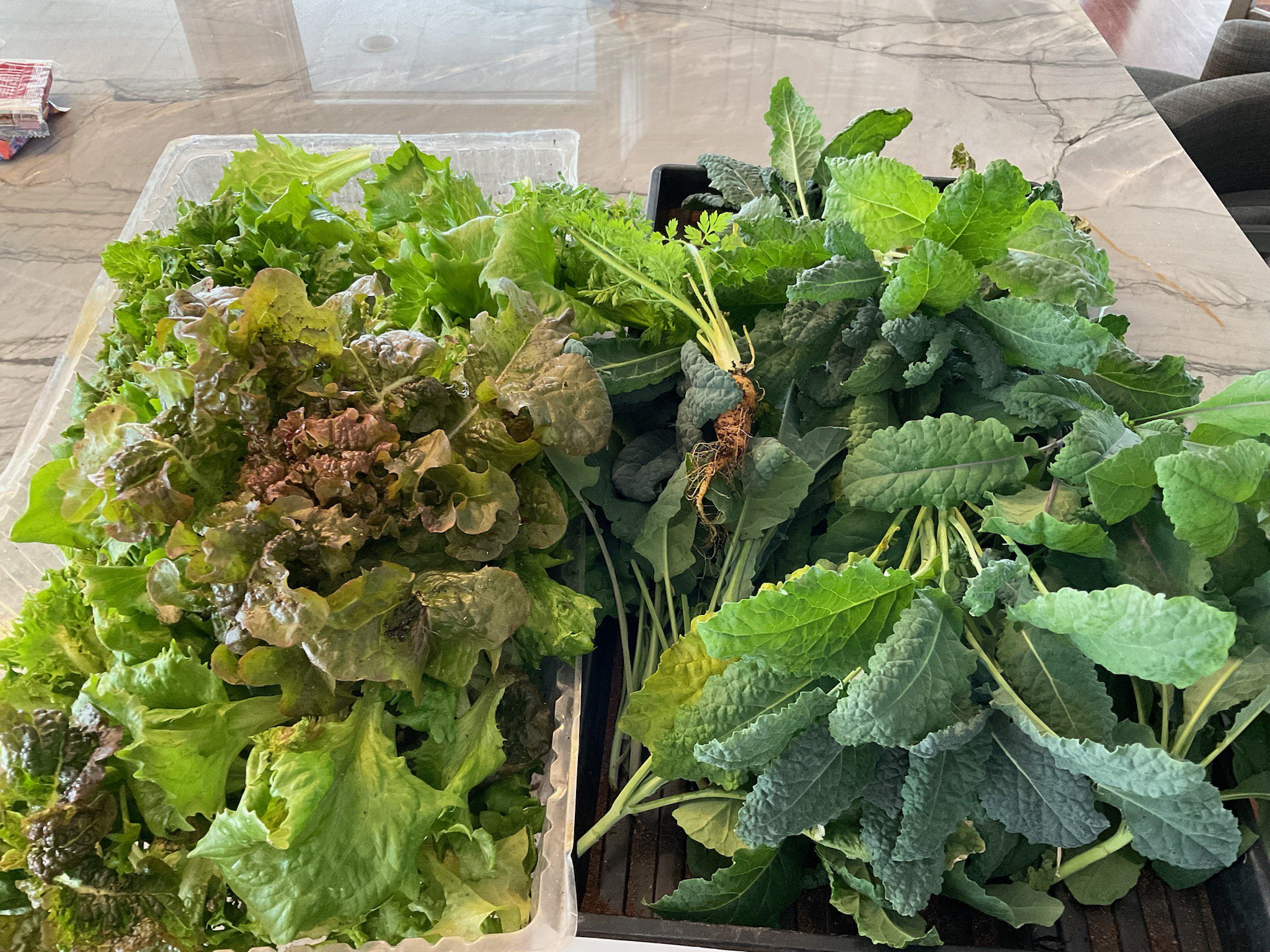
Cool season vegetables prefer lower daytime temperatures that typically occur during the early spring, fall, and winter. Vegetables that grow best between 40F and 70F are considered Cool-Season crops. A few cool season varieties will even tolerate light frosts which can improve the flavor and quality.
With a
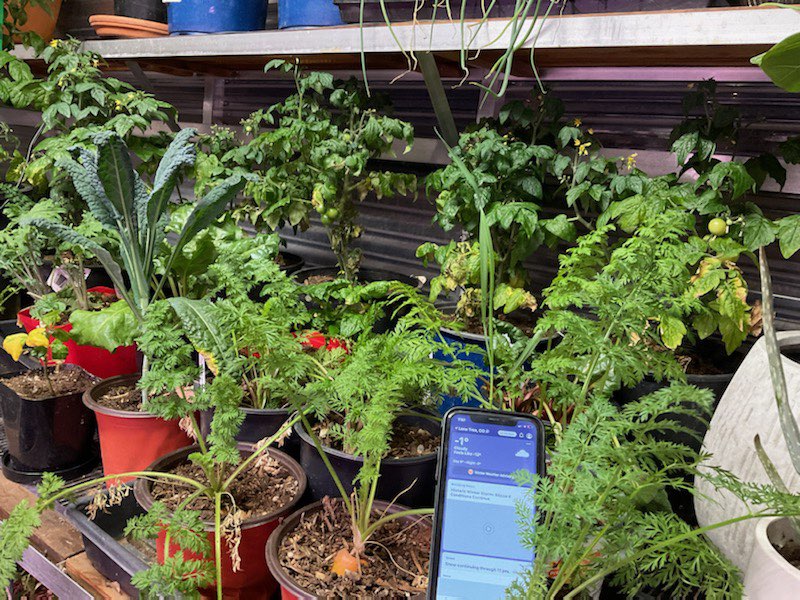
Sunglo Greenhouse you will be able to easily grow Cool-Season vegetables seven months out of the year. When outside temperatures begin to drop, cold hardy and frost-tender vegetables will continue to thrive and produce food inside a Sunglo Greenhouse. The double-wall acrylic panels of a Sunglo provide enough insulation to minimize the energy cost of a heater. If your goal is to produce Cool-Season vegetables through the winter we highly recommend you add the ‘Winter Package’ to the greenhouse. With the addition of insulation by using a third layer of acrylic, an infrared heater, and our exclusive geothermal raised beds (GAHT® Lite) you can produce food in winter even when outside temperatures are below zero degrees.
Here is a list of Cool-Season Vegetables that can easily be grown inside a Sunglo Greenhouse throughout fall, winter, and spring:
|
Asparagus
|
Beets
|
Bok Choi
|
Broccoli
|
|
Brussels
Sprouts
|
Cabbage
|
Carrots
|
Cauliflower
|
|
Celery
|
Chard
|
Asian Cabbage
|
Daikon
|
|
Endive
|
Escarole
|
Garlic
|
Kale
|
|
Kohlrabi
|
Leeks
|
Lettuce
|
Mustard
Greens
|
|
Parsley
|
Parsnips
|
Peas
|
Radishes
|
In contrast, warm season vegetables require long days, high light, and temperatures from 55F to 85F to grow best. With a
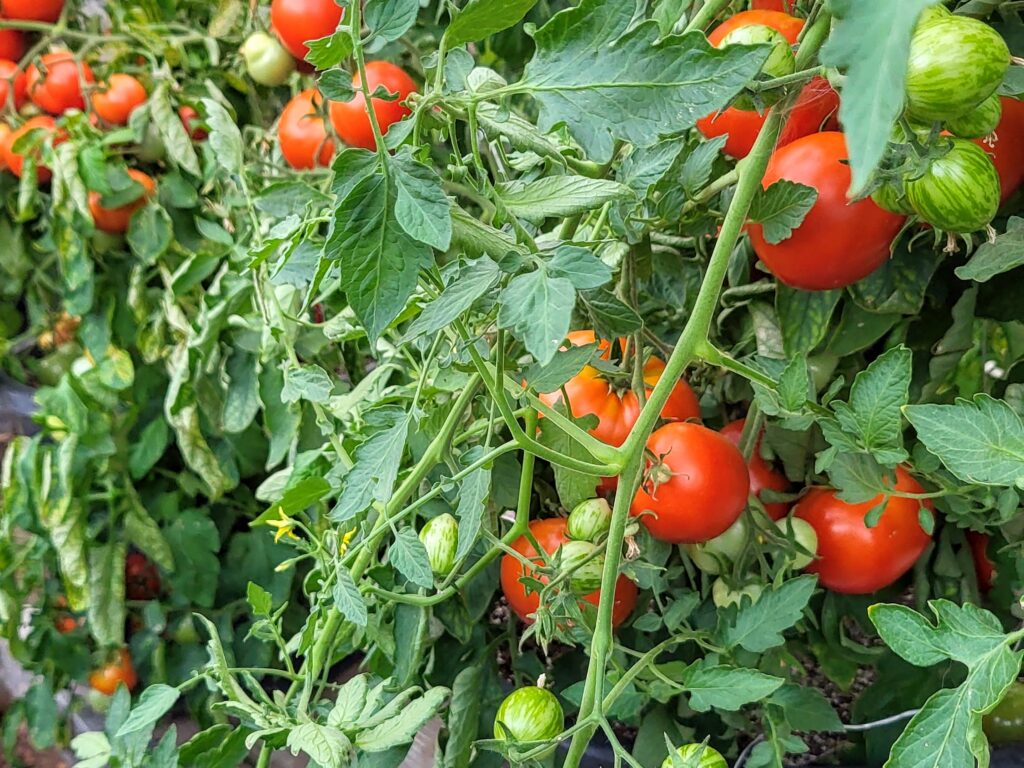
Sunglo Greenhouse you will be able to successfully grow Warm-Season vegetables April through October but you can also easily grow warm-season vegetable plants inside a Sunglo Greenhouse over winter. However, you can expect yields to decline in the depths of winter (Late December- Mid February). These vegetables depend upon both high air temperatures and soil temperatures so growing these crops in the short days of winter typically requires a large use of energy. The Sunglo Winter Package is even more important for Warm-Season vegetables because it minimizes the energy costs needed to achieve these higher temperatures. Grow lights are also necessary to provide additional light to allow for eight and sixteen hours per day of light, every day. Hand pollination will also be required.
It is important to note that warm-season crops are not compatible with growing cool-season crops due to the differing temperature and light requirements discussed so you need to choose between cold or warm season vegetables upfront.
Here is a list of some Warm-Season Vegetables that can easily be grown inside a Sunglo Greenhouse throughout spring, summer, fall, and winter:
|
Cantaloupe
|
Cucumbers
|
Eggplant
|
|
Beans
|
Watermelon
|
Peppers
|
|
Okra
|
Pumpkins
|
Summer Squash
|
|
Herbs
|
Strawberries
|
Ginger
|
|
Ginger
|
Potatoes
|
Tomatoes
|
|
Winter Squash
|
Bunching Onions
|
Tomatillos
|
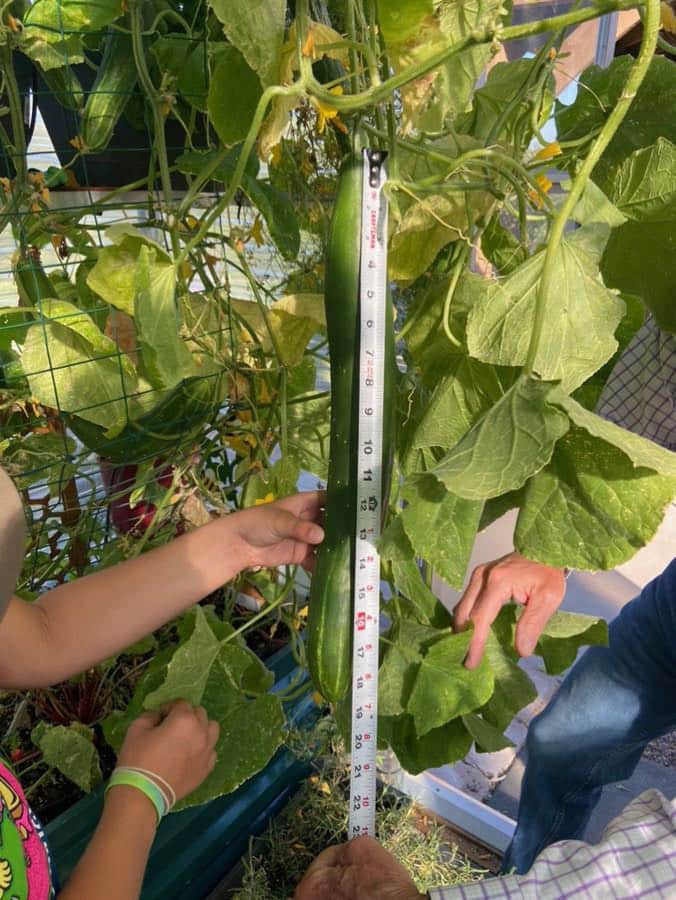
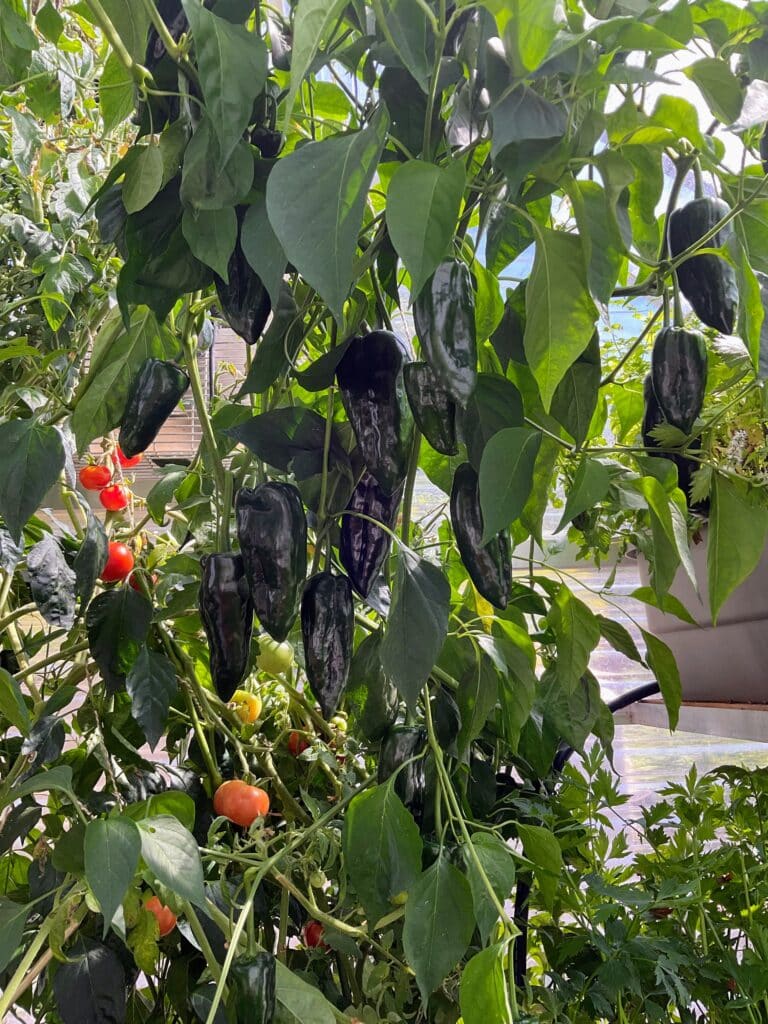
Growing inside a Sunglo Greenhouse you can expect greater crop yields and even larger produce at times, for example this 19″ long cucumber. With consistent warmth at night, pepper plants can produce more fruit earlier in and throughout the season.
In conclusion, the convergence of
Sunglo Greenhouses and the insights provided by a planting calendar offers an exciting opportunity for year-round vegetable cultivation. With controlled environments, extended growing seasons, and protection from external challenges, greenhouse enthusiasts can now produce a bountiful harvest regardless of the weather. By leveraging the advanced technology of Sunglo Greenhouses and the knowledge of a local planting calendar, you can embark on a journey to transform your gardening experience and savor the taste of fresh, homegrown vegetables throughout the year.
Take your growing to a new level with Sunglo Greenhouse. Best greenhouse for cold climates!
Please visit
Sunglo Greenhouses to learn more about what our greenhouse can do to help you grow all year long. You can speak with a Sunglo Professional who has experience growing in a Sunglo Greenhouse by calling 720-443-6711 or visit our website and see what we are all about and what is on sale right now.
"This is a sponsored post. I have been working with Sunglo over the 2023 season. I am interested in growing food through Maryland's winters. Unlike the basic greenhouse I bought for seed starting, Sunglo Greenhouses are about growing food all season long. I recommend learning more about Sunglo Greenhouses before making a decision on a purchase. If you want to grow an abundance of food through the winter, I recommend Sunglo."
"A Garden Wants to Give."
Cheers!
Gary (The Rusted Garden)
Over 650,000 Subscribers and Over 2000 Garden
Videos Designed to Quickly Present Information!
Visit The Rusted Garden Seed and Garden Shop
for your Seeds, Starting Supplies,
Fabric Pots, Neem Oil,
Peppermint and Other Oils, Calcium Nitrate and More.
The Rusted Garden Seed and Garden Shop


.jpg)


.jpg "Sunglo Greenhouse for 4 Season Growing")